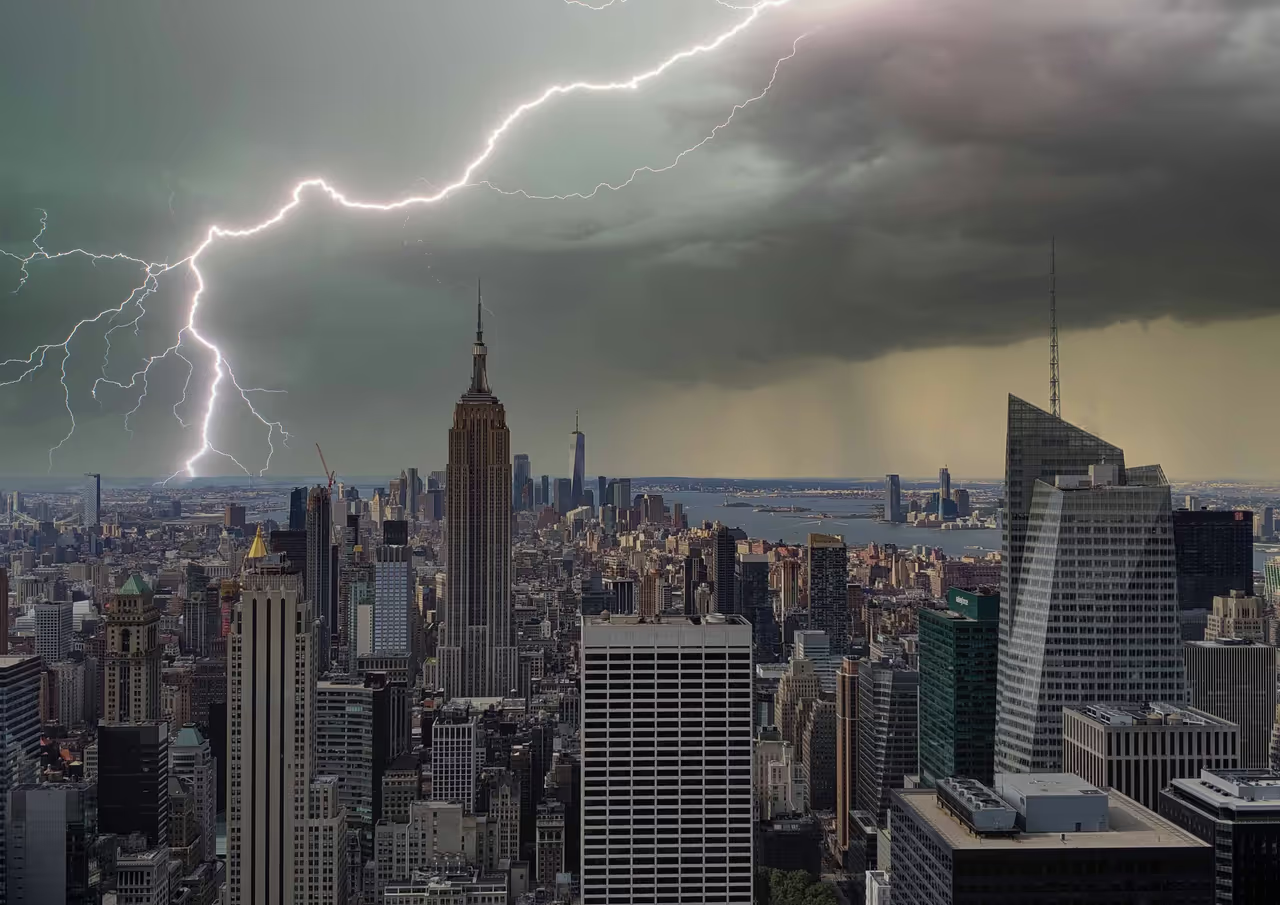
New York City is preparing for dangerous flash flooding as officials warn that heavy rain and thunderstorms could snarl commutes, flood roadways and disrupt transit through Monday night. City emergency managers said the most significant travel impacts are expected during the Monday morning commute and may continue into the evening.
Officials issue flood alert as storm system approaches
New York City Emergency Management issued a travel advisory on Sunday, July 5, warning that periods of heavy rain, thunderstorms and localized flooding were expected to begin overnight and continue through the morning of Tuesday, July 7. The agency said conditions were likely to worsen late Sunday, after much of the day remained dry, and urged residents to prepare for rapidly changing weather.
The National Weather Service issued a Flood Watch for New York City, with forecasters warning that intense rainfall rates could overwhelm drains and create flash flooding in low-lying and poor-drainage areas. Emergency officials said flooding can develop quickly with little warning, especially during summer thunderstorms that dump large volumes of rain over short periods.
“As we’ve seen in recent storms, flash flooding can develop quickly and create dangerous conditions with little warning,” NYC Emergency Management Commissioner Christina Farrell said in the city’s advisory. Officials told residents to monitor forecasts closely, sign up for emergency notifications and avoid unnecessary travel during the worst of the storm.
The warning comes as the broader Northeast has faced repeated bouts of dangerous weather over the past year, including storms that stranded vehicles, disrupted subways and triggered emergency declarations. Recent city advisories have emphasized that flash flooding remains one of the fastest-developing and most hazardous weather threats for New Yorkers, particularly in basement apartments, underpasses and flood-prone intersections.
Commuters told to expect delays on roads and transit
City officials said the greatest travel impacts were expected during Monday’s morning commute and could continue through Monday night as repeated rounds of rain move across the region. Motorists were advised to allow extra travel time, never drive through flooded streets and be prepared for sudden road closures where water collects fastest.
Public transportation riders were also told to expect possible delays if station entrances, tracks or surrounding streets begin to flood. In past heavy-rain events, parts of the subway system have experienced service disruptions when stormwater inundated tracks and platforms, adding to the risk of citywide travel chaos during peak commuting hours.
The city said its Flash Flood Emergency Plan had been activated, a standard step when forecasts point to potentially dangerous rainfall. That plan includes close coordination with the National Weather Service and other city and state agencies, as well as pre-storm efforts such as inspecting and clearing catch basins in vulnerable locations to reduce street flooding where possible.
Officials again urged residents not to enter flooded basements, not to walk or drive through standing water and to move vehicles away from areas with a history of flooding. Emergency messaging also stressed the danger of floodwaters rising at night, when visibility is poor and drivers may not recognize blocked or submerged roads until it is too late.
Why the flood threat matters for a city already on edge
The latest warning underscores how vulnerable New York City remains to short-duration, high-intensity rainstorms that can paralyze transportation networks and threaten lives within hours. Dense development, aging infrastructure and large expanses of pavement leave many neighborhoods with limited capacity to absorb sudden downpours, increasing the risk that streets and transit hubs will flood quickly.
City agencies have repeatedly highlighted the particular danger facing people living in basement apartments, where floodwaters can rise with alarming speed. Officials have long urged residents in such units to have an evacuation plan, monitor emergency alerts and move to higher ground immediately if water begins entering the home or if a flash flood warning is issued.
The warning also follows other recent severe-weather alerts in the region, showing how quickly conditions can shift from extreme heat to flood danger in the middle of summer. AP has reported on earlier Northeast flooding events that stranded vehicles, disrupted rail and subway service and prompted emergency declarations, offering a reminder of the kind of cascading disruptions that heavy rain can bring.
For now, city officials are urging New Yorkers to stay alert through Tuesday morning, keep phones charged, check on vulnerable neighbors and be ready for delays. The immediate concern is not only how much rain falls, but how fast it falls — and whether the city’s roads, rail lines and drainage systems can keep up during one of the busiest travel periods of the week.
Leave a Reply